








There is a certain kind of city that doesn’t just host greatness : it makes it. Los Angeles is that city,our city. And when the Olympic flames are lit at the LA Memorial Coliseum on July 14, 2028, the City of Angels will never forget such historical performance not just from athletes but from the territory of the city itself. It will be completing a centurylong masterpiece, a third chapter in a trilogy that has already rewritten Olympic history twice.LA28 will be the greatest Olympics ever held. Not because of wishful thinking or civic duty but because the evidence is overwhelming, the track record is undeniable, and the stage could not be better set.
1932: LA1932 Born From Crisis
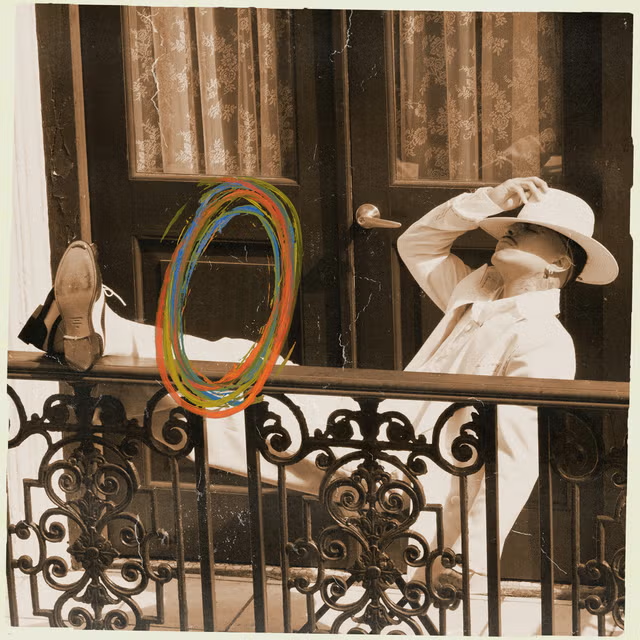
To understand why 2028 is destined for greatness, you have to go back to theGreat Depression taking place during the 1930s, the world was broken, and deeply skeptical. No other city could even afford to bid for the Games. Attendance from all around was sparse; only 37 nations participated, compared to 49 at the previous Olympics and many athletes simply couldn’t afford the journey across the Pacific.Considering every aspect of the 1932 Olympics ,the games should have had a ratio to ruin olympic history instead it was a triumph bring hope to a once struggling city .
Despite the economic catastrophe around the globe, the Games drew over one million spectators and generated a profit exceeding one million dollars, an almost unthinkable achievement at the time. More importantly, Los Angeles introduced structural innovations that would define the modern Olympic Games forever. The city introduced the first true Olympic Village alongside the competition schedule which was compressed to 16 days, setting the format still used today.Los Angeles didn’t just survive the burden of hosting. It reinvented what hosting could mean, changing Olympic history .
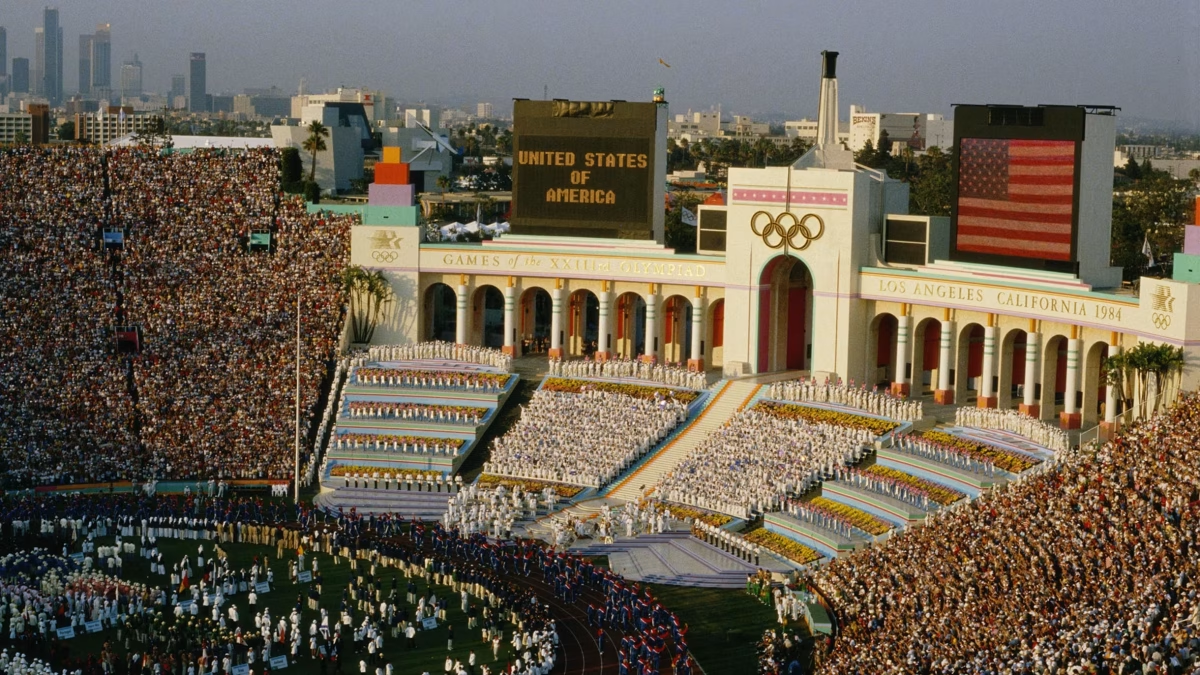
1984: Saving the Olympic Movement once again
Fifty-two years later, Los Angeles stepped up again this time to rescue a movement on the verge of collapse.
The 1976 Montreal Games had left Canada $1.5 billion in debt, a financial catastrophe so severe the city took nearly 30 years to pay it off. The 1980 Moscow Games were overshadowed by a US led boycott. The Olympic brand was toxic to taxpayers and cities alike. By 1984, Los Angeles was the only city willing to bid.
What happened next was nothing short of a revolution. Under organizer Peter Ueberroth named Time magazine’s Man of the Year in 1984 the Games became the first Olympics ever to be organized without state funding. By guaranteeing product and service exclusivity to 34 corporate sponsors, Ueberroth’s committee pioneered a commercial model that generated a staggering surplus of over $230 million. That blueprint became the gold standard for every Olympics that followed and directly led to the IOC’s global TOP sponsorship program, which funds the Olympic movement to this day.
On the field, the performances were electric. Carl Lewis claimed four gold medals in track and field. Mary Lou Retton scored a perfect 10 in gymnastics and became America’s sweetheart overnight. The United States women’s team swept 11 of 14 swimming events. The opening ceremony featured a man flying into the stadium on a jetpack, accompanied by John Williams’ Grammywinning “Olympic Fanfare and Theme” a piece of music so perfectly matched to the moment that it has been played at every Olympics since.
The 1984 Games didn’t just succeed. They saved the Olympic movement.
2028: The Third Act
Los Angeles is the only city in the world that has hosted the Summer Olympics twice without going over budget, without leaving behind rotting infrastructure, and without causing a single financial crisis. Both previous editions turned profits and left lasting legacies the LA84 Foundation, built with surplus funds, has invested hundreds of millions of dollars in youth sports programs across Southern California in the decades since.
Now comes the third act, and the ingredients for greatness have never been more perfectly assembled.
The city already knows what it’s doing. Most of 2028’s venues are existing structures: the Memorial Coliseum, the Rose Bowl, SoFi Stadium, UCLA’s campus serving as the Olympic Village. This is a “no-build” Games by design, eliminating the budget overruns and white-elephant construction projects that have plagued cities from Athens to Rio. The estimated $162 million in combined cost savings and revenue gains from the current venue plan underscores the financial discipline that has always been LA’s Olympic calling card.
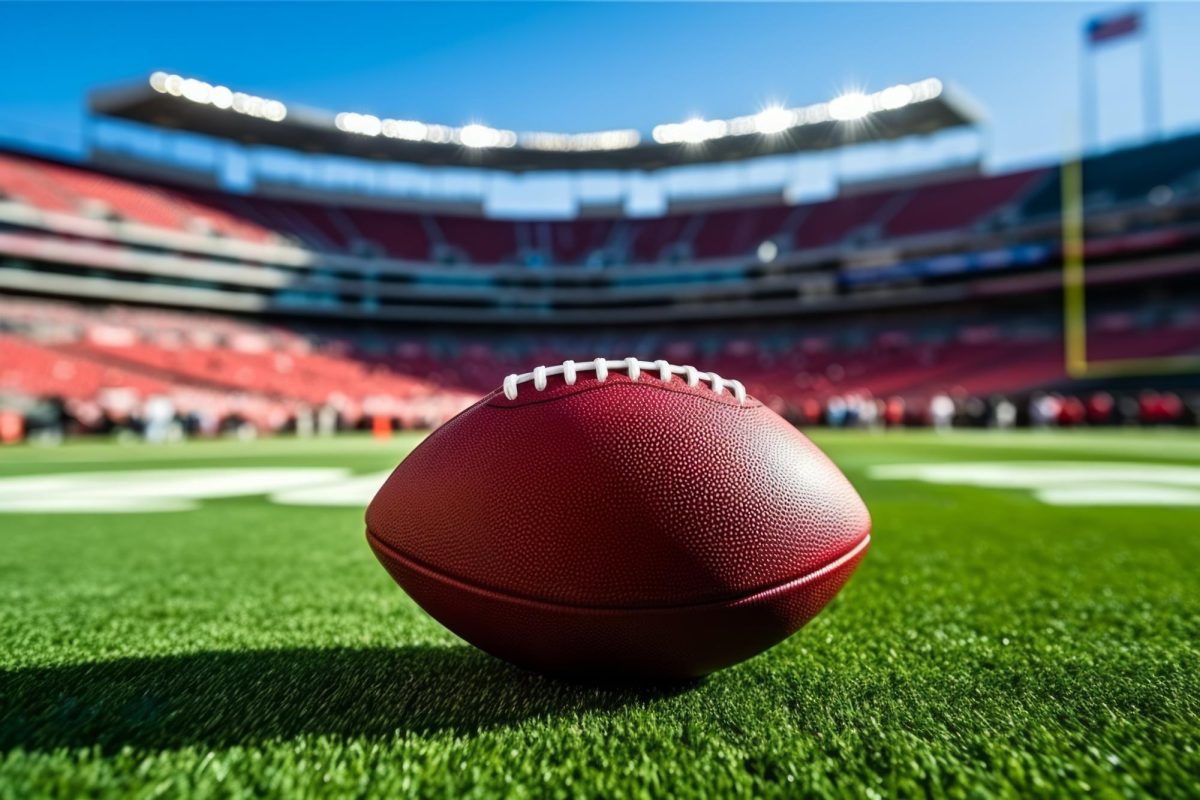
The sports program is genuinely historic. For the first time ever, flag football will compete at the Olympics and the American teams, likely composed of NFL household names, will perform before a home crowd in the world’s entertainment capital. Cricket returns to the Olympic program for the first time since 1900, a decision that opens the Games to an estimated audience of over one billion fans across South Asia. Lacrosse returns after a 116-year absence. Baseball, softball, and squash round out an additions package that IOC President Thomas Bach called uniquely aligned with “American sports culture.” No Games in recent memory has done more to expand the Olympic tent.
The athletes arriving in LA will be at the peak of their powers. Leon Marchand, who collected four gold medals at Paris 2024 at just 22 years old and is already drawing comparisons to Michael Phelps, will be in his prime. Simone Biles, who has not ruled out competing into her 30s, could make an extraordinary appearance on home soil. The young talents who thrilled in Paris across gymnastics, swimming, track and field will have had four years to sharpen their craft and build the kind of legacies that immortalize careers.
The home crowd factor cannot be overstated. Research models consistently project the US will lead the 2028 medal table with somewhere between 120 and 130 total medals, an output driven in part by the well-documented “home advantage” that host nations enjoy across nearly every Olympic sport. But beyond the medal counts, it is the atmosphere that home crowds create, the electricity that pulses through a stadium when the home team competes that transforms a sporting event into a cultural moment. Los Angeles, the entertainment capital of the world, knows better than any city on earth how to generate that electricity.
A City That Earns Its Legend
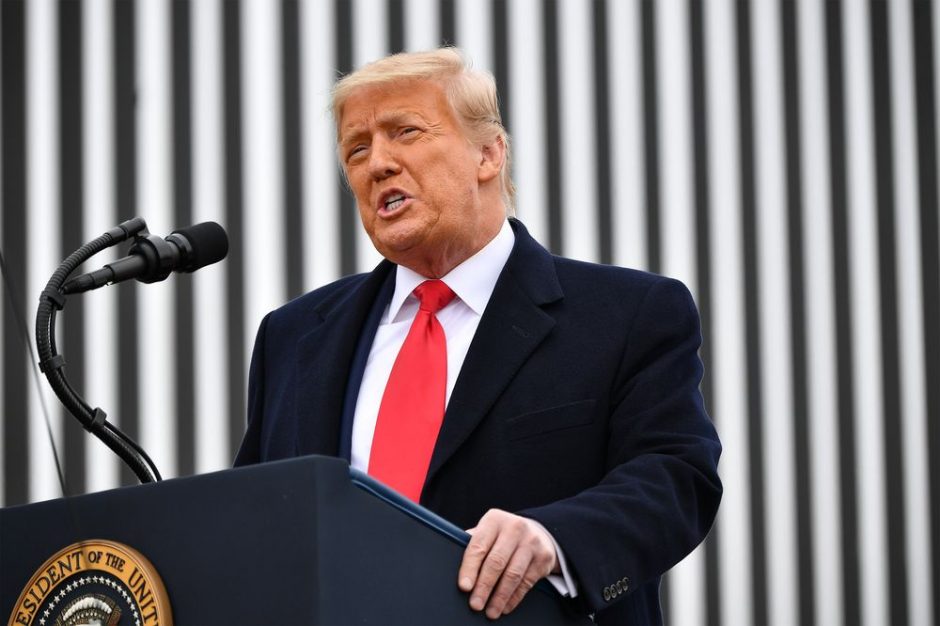
Critics will always find reason for doubt. The 2025 wildfires raised questions about preparedness; organizers and President Trump alike responded by doubling down on their commitment to deliver. Logistical challenges remain cricket and squash still finalize venue assignments, soccer finals are pending. These are the ordinary challenges of any massive global undertaking.
But Los Angeles has faced worse. In 1932, it hosted in the middle of a global economic collapse and turned a profit. In 1984, it inherited a movement nobody else wanted, and saved it. History suggests that when the stakes are highest, the City of Angels rises.
The 2028 Olympics will be the greatest Games ever held. The Memorial Coliseum soon to become the only venue in history to host three separate Olympic Games will be more than a stadium. It will be a monument to what Los Angeles does when the world is watching.
It delivers.